Outdoor Growing
Water Patio Containers Through Summer Heat
Keep potted plants supplied through hot weather by checking the root zone, watering in measured passes, and reducing the conditions that dry containers too quickly.
7 min read
Read the root zone before the weather app
A weather forecast can tell you when to look at the pots. It cannot tell you whether a tomato in a large fabric bag or a geranium in a small clay pot needs water at that moment. Before the first serious hot spell, water a manageable pot thoroughly and let it drain. Lift it while it is still evenly moist, then compare its weight when the surface has dried and when the plant actually needs another watering. This gives a practical reference for the rest of the season. For heavy containers, feel below the surface in a clear spot close to the root zone and compare as the day goes on.
Pots that looked equivalent at planting time can diverge as the season advances. A plant that now has twice the leaf area draws more water. A pot sheltered by a spreading canopy may receive less sun and rain than it did a month earlier. If dry mix pulls away from the wall, some of your next watering may disappear out through that gap. Read those physical changes before drawing conclusions from a fixed watering interval.
Put the first watering where it matters
Early morning is a convenient time to water through the summer. Air is often cooler, wet outdoor foliage has a chance to dry, and regular checks are easier before long hours of heat. Aim water at the mix around the base of the plant and wet the area where roots have spread. Use a stream slow enough for the mix to take it up. When a dry spot initially sheds water, give it a small pour, move on to the next pot, and return a little later. Check for runoff and make sure the middle of the pot has moistened before ending the pass.
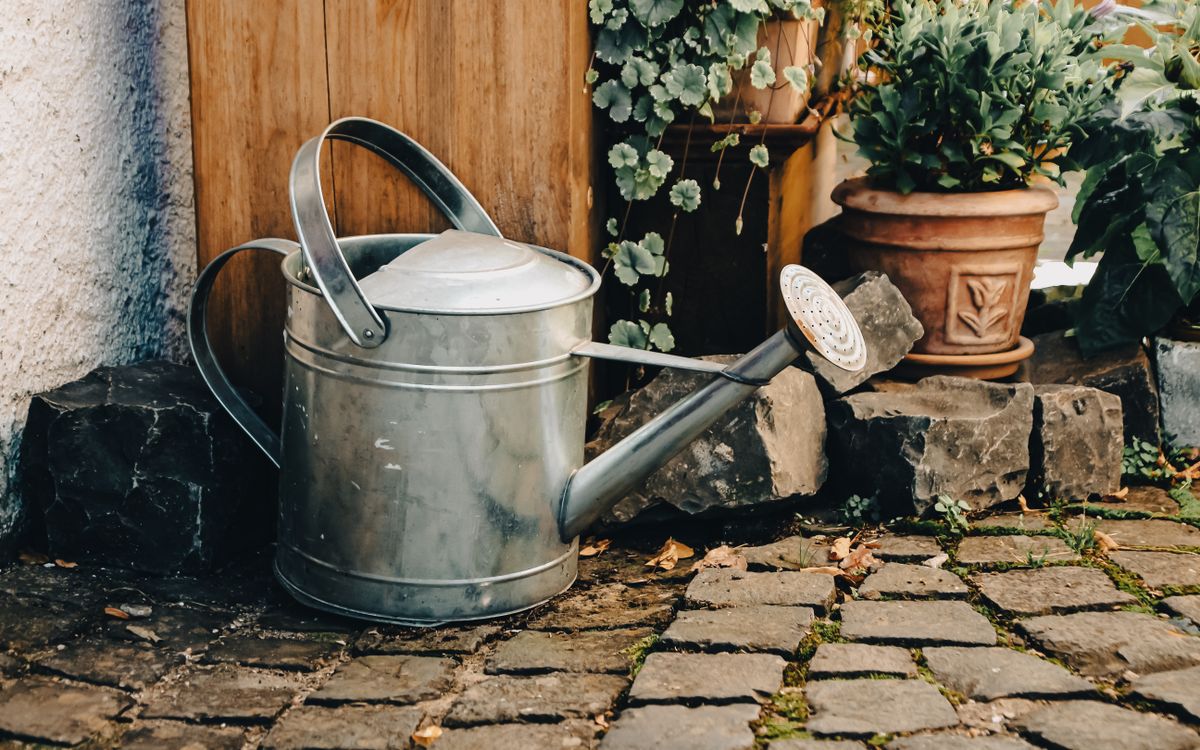
If a plant and its mix are clearly dry in the afternoon, give it water then. Waiting for an ideal time can expose roots to more stress. Keep standing water out of ordinary saucers and arrange the pots so runoff does not become a slippery hazard. A high-pressure spray can wash soil away and expose roots near the rim. Fit a gentle rose to your can or use a watering wand at low pressure to reach beneath leaves, especially when a crop is ripening close to the surface.
Judge droop alongside the moisture
A plant in strong afternoon heat can wilt briefly even with moist mix because the leaves are losing water faster than the roots can supply it. If the plant looks normal after the air cools, adding water may do nothing except fill air spaces the roots need. Look again early the next morning. If leaves have remained limp and the root zone is dry, it needs attention. If the root zone is saturated, check drainage and root health before you continue watering. Wilt by itself is a symptom with several possible causes.
The location of damage also offers a clue. Bleached patches on just the exposed side of a pepper can be sunscald. Brown lower leaves that have remained shaded may have a different cause, including age or disease. Touch the mix near affected branches and check the pot bottom while asking whether anything changed recently. A hard prune that exposed fruit, a plant shifted toward reflected heat, and a clogged overflow will produce different next steps. Make the change that matches the evidence.
Give different containers different rounds
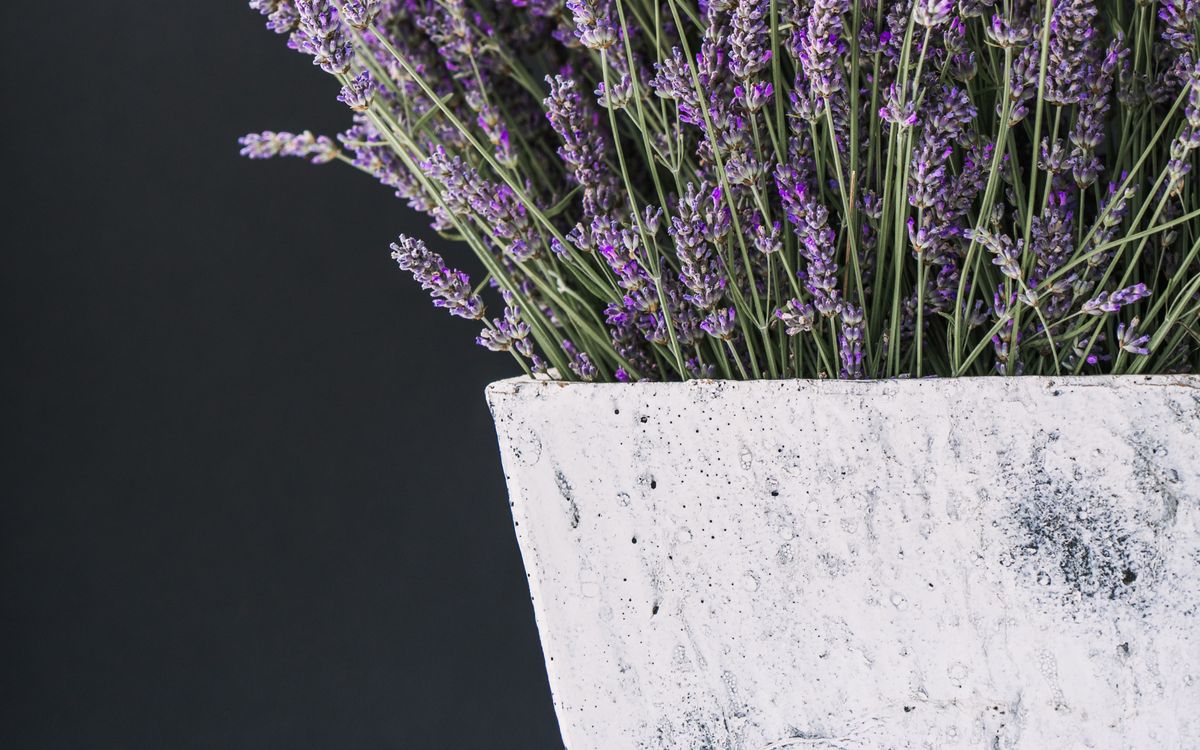
A small hanging basket exposed to wind can need more attention than a barrel beside a wall. Thirsty crops with a large canopy have high demand while they fill out, while well-established lavender or rosemary may need an interval at which the mix can dry partially. Sort the containers into ones you routinely check at the start of the day and ones you look at when your first pass is finished. Keep a note of pots prone to drying fast in the afternoon. As the canopy grows or crops are harvested, move individual containers to a different group.
If you find yourself refilling the can several times for two tiny pots, consider whether they can be exchanged for containers with a larger useful volume once the plants are established. A potted herb planted directly into an enormously oversized container can stay too wet early in the season. A mature larger plant in a narrow, root-filled pot may have very little water capacity left. When possible, size the container to the eventual plant before the hottest weather arrives. A broad trough may give a suitable planting a wider stretch of evenly moist mix and reduce the need for repeated watering.
Reduce heat without taking away essential light
A sun-loving crop still needs light even if its pot heats up in summer. You can shade some container walls without shading the whole plant by grouping similarly sized pots, moving the darkest containers away from a wall, or placing a color-matched second container around a nursery pot with a gap and open drainage. Maintain airflow in every design. Grouping can protect the sides of the pots, but a tight wall of wet foliage makes it more difficult to inspect leaves or provide air movement. Leave a path for the bottom of each pot to remain visible.
A light layer of suitable mulch can soften evaporation from the surface, especially in a large vegetable container. Put it over moist soil and keep it away from stems and crowns. Choose a mulch that will stay put and let your watering through. If it covers the spot where you inspect the mix, slide it aside and put it back after checking. In a prolonged heat wave, a thin shade cloth appropriate to the crop can temper afternoon heat if secured safely, with an open structure that does not trap hot air. Remove it once it is no longer needed.
Test a drip or reservoir before trusting it
Drip irrigation can take care of repeated watering, but the volume released by an emitter does not tell you where water went. Set up the line while you can observe it. Run it a normal cycle and check how widely the mix darkens beneath the surface. A broad planter may need more than one emitter. A weak delivery on the last line can leave one area dry while the rest looks entirely healthy. Test the system on a windy or especially hot day if that is when you plan to rely on it. Clear any outlet and factor in rainfall if the pots are exposed to it.
Self-watering containers use a reservoir below the root zone. Follow the design for filling, wicking and overflow. A young plant may still need water from above before roots reach a consistently moist zone, and a reservoir can run empty sooner as growth increases. Check one manually at the time it usually calls for a refill. If a container always has water in its reservoir but the upper mix is bone dry, confirm that the wick or designed contact points are in place. If plants remain wet, inspect the overflow and confirm that the crop suits this style of pot.
Prepare for several days of heat or a trip away
When a heat wave approaches, check that water can reach each root zone and drain away. Remove a pot that consistently overheats at the edge of the patio and put it where it will keep enough light. Pick ripe fruit and remove only foliage that actually needs cutting. Harvesting can reduce stress on branches and spare fruit from a hot spell. Leave enough leaves to give remaining fruit shade. Do not fertilize a dehydrated plant based on its appearance. Wait until ordinary moisture has been restored and normal growth resumes before deciding whether more nutrients are warranted.
If someone else will water, show them how one dry pot and one recently watered pot differ. Label the unusual ones with a short practical note. An instruction to water everything can flood an herb and still fail to wet a large root ball. Set up any drip timer or reservoir several days before leaving, when you can observe a cycle. Keep a watering can by the tap so a quick morning check is easy. On your return, inspect the newest growth and the root zone rather than making up several missed waterings at once.
Review the pots when summer begins to ease
A regular summer schedule will lag behind the temperature as days shorten or rain returns. Let the roots tell you when to cut back. Remove an empty seasonal pot from a timed watering line so its discharge does not run across the patio. Open space near a container that benefits from more late-season sun. Change any mulch that has matted down or blocked access to the mix. A healthy plant in a workable pot needs less intervention once draining and watering are both predictable.
A record of a few dates can simplify next year. Write down when the small pots first needed an afternoon check, whether a north or south wall produced the more severe heat, and which plants grew steadily. Record the explanation only as far as you observed it. If replacing a single shallow pot with a larger one made the whole group easier to water, that is worth remembering. Next summer you will have a better starting point than guessing how often your balcony gets thirsty.