Edible Gardens
Grow a Balcony Trough of Lettuce
Make a limited balcony space produce several harvests of lettuce by choosing the right leaf type, sowing small batches, and working around hot weather.
7 min read
Decide how you want to pick your lettuce
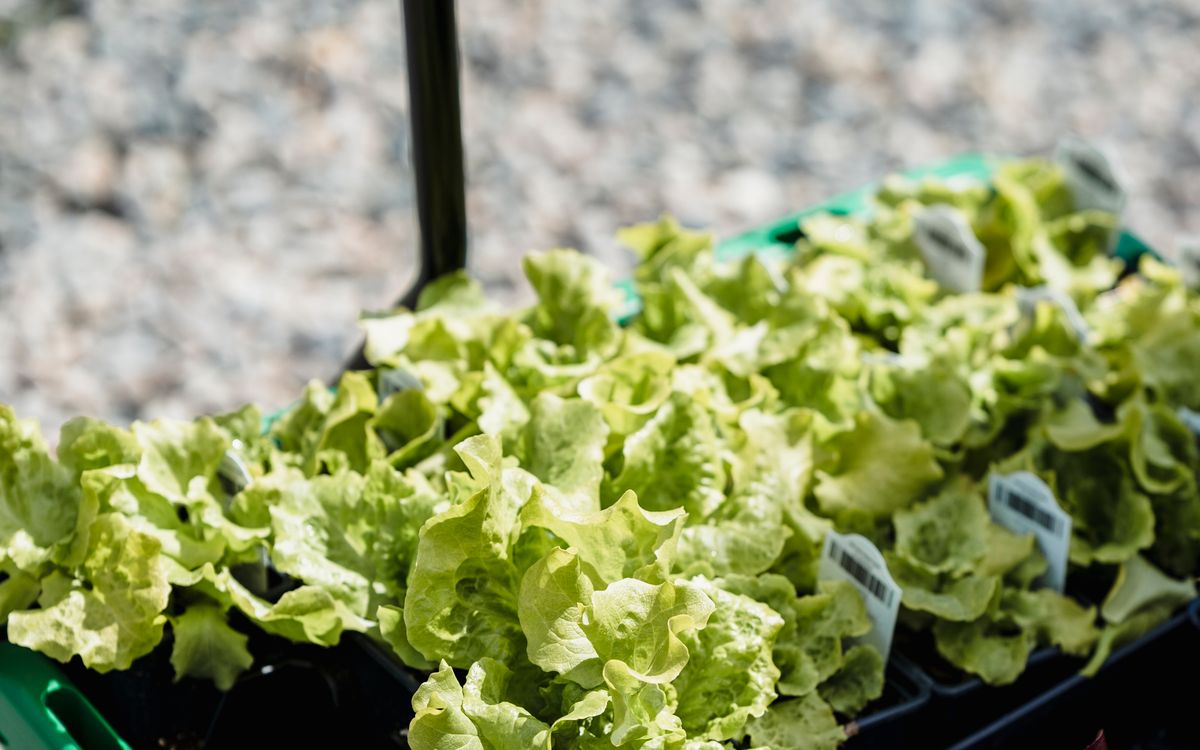
A window box can provide a handful of loose leaves at a time or a few small heads. Those goals require different spacing. For leaf lettuce, choose a looseleaf variety or a mix intended for baby leaves. A few plants with their growing centers left intact can offer repeated modest pickings. For small heads, select a compact cultivar, space plants according to the packet, and expect to wait for each head to fill out. A box sown densely for baby leaves is a poor place to expect full heads without thinning very early.
Lettuce often grows well in a cool, bright stretch of spring or autumn. A balcony that gets a few hours of morning sun and open sky afterward can be suitable, especially in warmer weather. Deep shade can produce thin, slow-growing leaves. Hot afternoon sun striking a dark wall can shorten harvest considerably even if a garden nearby is still cool enough for lettuce. The point of a trial sowing is to discover how your own box responds while the seeds are inexpensive and the plants will be ready relatively quickly.
Set up a trough for ordinary harvesting
Choose a reasonably wide container with working drainage and enough depth to retain moisture through your intended watering interval. A low broad pot gives several plants room to grow and keeps the edges within reach. Fix a window box only with a safe approved installation, and keep runoff from dripping where it could cause damage below. A trough on the floor or a secure bench is easier to lift and inspect. Before filling it, arrange it so you can reach the rear leaves without leaning on a railing.
Fill with suitable fresh container mix. Leave enough space below the edge for a gentle watering to soak in without carrying small seeds over the side. The foliage will fill the gap later. If the mix is very dry, moisten it before sowing. Level the surface with your fingers, taking care to avoid compacting it. Use a light stream to wet the container evenly and confirm that surplus leaves the outlet. A trough that tilts toward one corner may hold a permanently wetter patch even though the higher end needs water.
Sow small sections with different dates
Lettuce seeds are small. Sow them shallowly according to the packet, and cover lightly where directed. Label the row or block immediately. Crumbling a few pinches of mix over the seeds keeps them near the surface and lets you see where you finished the previous section. Water with a fine spray or from below as appropriate for the container so the seeds stay in place. Keep the surface gently moist until germination. If temperatures are very hot, lettuce germination can be poor. Find a cooler suitable spot or wait for the weather to ease.
Sow part of the trough or a second small pot roughly one to two weeks after the first if weather and harvest goals suit it. A full box of one mature stage can provide more than you use in a few days, followed by a long gap. Two starter plots separated by a short interval let you change course if one fails. Use a divider or distinct labels if you are comparing cultivars. If the first tray produces only a few plants, look first at heat, drying or very old seed. Change the most likely cause before sowing a replacement.
Thin for light and air
As true leaves appear, thin the plants intended to grow larger. Cut crowded seedlings with clean scissors where pulling would displace the roots of the strongest neighbors. Keep seedlings at spacing suited to the variety and harvest size, since leaf lettuce can tolerate closer spacing than full heads. Even on a tiny balcony, leaving spaces between containers reduces wet foliage and makes it easier to find slugs or aphids. Fertilizer cannot replace room for roots and light to reach the leaves.
If several seedlings sprout in one part of the row and a gap remains at the other end, refill the gap or carefully transplant young healthy seedlings if conditions are favorable. Water the small area after planting and give the transplants a short period away from severe weather. Label a replanted gap with its approximate date. Plants from a late sowing can remain smaller for weeks, and it is easy to overfeed or overwater them if you assume they should already match the plants at the other end.
Keep the crop evenly moist
Lettuce has a shallow root system and grows best with an even supply of moisture. Feel the mix in two places, since the exposed end may dry faster than a sheltered corner. Pour along the root zone instead of repeatedly soaking the leaf centers. Wet foliage that stays wet for hours is more likely to develop certain problems. Drain the trough and empty ordinary saucers as needed. If you catch a leaf in a temporary midday droop, check the mix before assuming that watering will resolve it. The same appearance can come from an overheated plant with a moist root zone.
For a container crop, a light appropriate feeding may be useful while plants are making leaves, particularly in a mix that supplied few nutrients. Follow the label for edible crops and account for any fertilizer already included. If lettuce is growing quickly and looks healthy, its short harvest cycle may mean little intervention. If several cycles use the same mix, check its structure and replace an exhausted or disease-affected area as appropriate. Healthy roots need fresh air and water as well as nutrients.
Cut leaves cleanly, at the size you will actually use
For looseleaf plants, cut outer leaves while leaving the younger center to produce more. If you grow a dense patch for baby leaves, harvest the patch at a height appropriate for the mix and retain growing points as far as its method allows. Some plants will make another modest flush. A tight head can be cut at its base when ready. If several plants are all turning into handsomely sized heads at once, cut the largest first and start the next patch in better season rather than hoping mature heads will pause indefinitely.
Use clean tools, keep harvested leaves off the potting mix, and wash them under clean running water. Pick in the cooler part of the day if that fits your plans. Cool the leaves promptly if they will be kept for later. Examine the undersides for aphids and check curled inner leaves. Discard damaged or spoiled material. If a pot stood where wildlife repeatedly entered or runoff may have contaminated it, take applicable local food-safety guidance into account before using the crop.
Recognize bolting while the plant is still worth picking
When the days get hot or long, depending on the cultivar, the central stem may rise and begin the shift toward flowering. The leaves can become more bitter and production changes. Shade can sometimes extend the useful harvest on warm days, but cooling work has limits once a plant has started to bolt. Taste a sound leaf and pick what is still good. Clear finished plants to allow air and space in the trough. Keep suitable varieties described as heat-tolerant or slow to bolt for the warmer shoulder of the season, with realistic expectations during sustained extreme heat.
A lettuce box under full afternoon sun can sometimes move to a place with good morning light for the remainder of spring. Move it before the central stems have visibly elongated if you want to extend the harvest. In a very warm location, lettuce may be most dependable during winter and the cooler months, subject to local frost and light. In colder climates, protect the first sowing appropriately or wait for temperatures the seed can tolerate. Plant when the local conditions fit rather than translating a date from a faraway calendar.
Keep a small gap for handling the crop
Leave enough space below the rim that the mix stays put when you harvest. Crowded handfuls can pull an entire young plant from moist soil, particularly in a recently sown box. Use scissors for a close cut and hold the leaves just above it. Check the mix after a larger harvest, since the newly opened surface can dry faster in direct light even while the remaining plants need less water. For a few days, adjust from what you find rather than following the same routine you used under a closed canopy.
Use a two-container rhythm for most of the season
Start one box with a small patch of looseleaf seeds. About two weeks later, get the second going. When the first is ready, pick a little, water the plants, and judge by their regrowth whether another cut is likely. Move the first finished box out of the way and prepare it for another round if the weather still suits lettuce. Otherwise change the box to a different suitable crop until the season turns. You need only two containers to compare successive ages with enough room to wash and use each harvest.
Record which variety stayed crisp through a warm week, which end of the balcony dried first, and how much you could actually eat. Sow a smaller batch next time if good leaves went unused. If two boxes were constantly empty by the second half of the week, start the second nearer to the first or give the plants separately measured space. A useful balcony harvest fits your meals as well as your balcony.