Edible Gardens
Grow Basil on a Kitchen Windowsill
Raise a windowsill basil plant that branches well and keeps producing leaves, from choosing a bright location to taking cuttings and replacing a tired plant.
7 min read
Compare the windows before choosing a pot
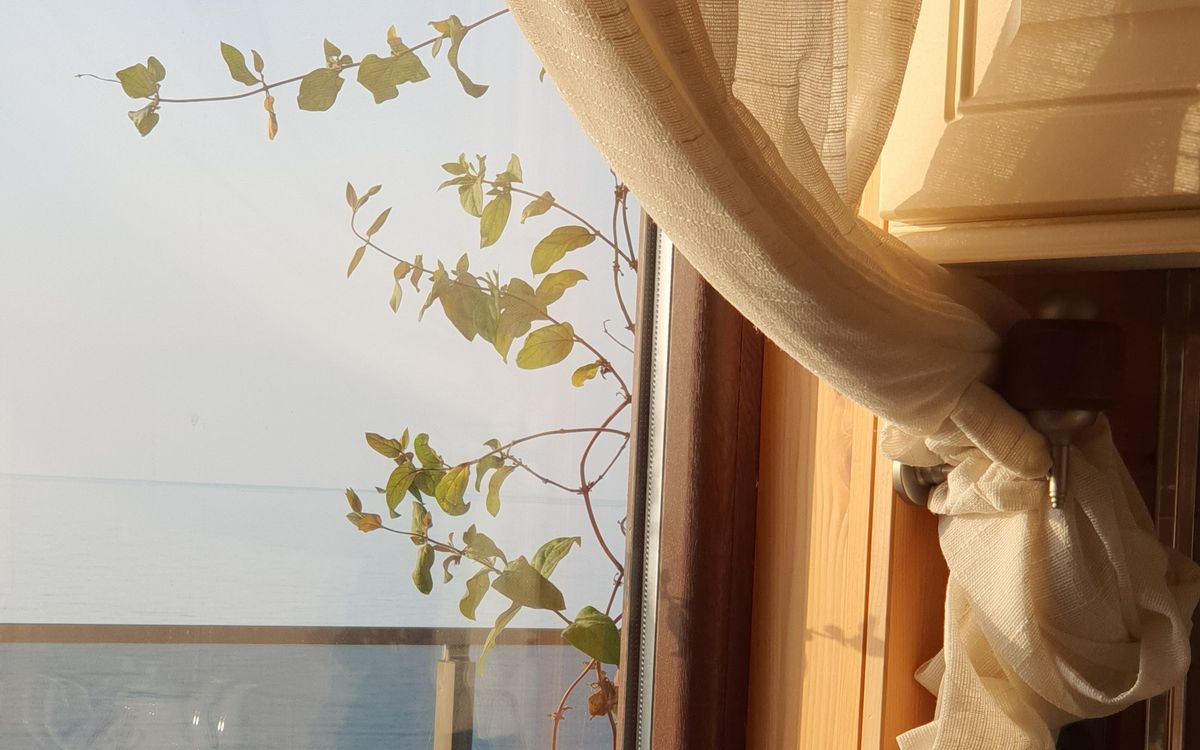
A sunny kitchen windowsill is a convenient place to grow basil if it receives light strong enough for compact stems and stays warm through the night. Check the sill over a full day. Nearby roofs, trees, deep window frames, and the angle of the glass can take away hours of direct light. A place that feels bright to your eyes may produce stretched stems as basil seeks more light. Set the pot where it receives several hours of useful sun, or provide a suitable grow light when the natural window cannot deliver it. Protect the plant from cold draughts and keep its foliage from pressing against cold glass.
Aim for steady heat and useful light together. The back of a radiator can dry a small pot before the next check, and the corner of a chilly window may have enough midday sun but cool abruptly by evening. Put a simple thermometer at pot level if you suspect that difference. A small move away from the glass may prevent cold injury. If that change sacrifices a lot of light, a different window or a timed lamp is a better long-term choice. Test conditions with one pot before filling the entire sill.
Decide whether to start with seed or a plant
A packet of sweet basil gives you more attempts than one potted transplant and allows you to schedule a second plant while the first is still strong. Compact cultivars fit a narrow sill well and often give smaller leaves that need little chopping. Large-leafed types are easier to harvest quickly and need enough space for the branches to spread. The flavor of Thai basil or another distinct type may suit the dish you make most often. Read the package for the expected width as well as the height.
If you start with a plant, look for firm stems, healthy new leaves, and an absence of pests underneath the foliage. Supermarket pots may contain a cluster of seedlings packed for immediate use. They often compete once kept growing for longer. If the plants can be separated without much injury, moisten the root ball, tease it into a few modest groups, and pot the healthiest groups separately. Severely tangled roots are easier to free in sections than by trying to save every plant. A second option is to use the purchased basil in the kitchen and root a healthy nonflowering stem as a fresh start.
Sow a few seeds in suitable warmth
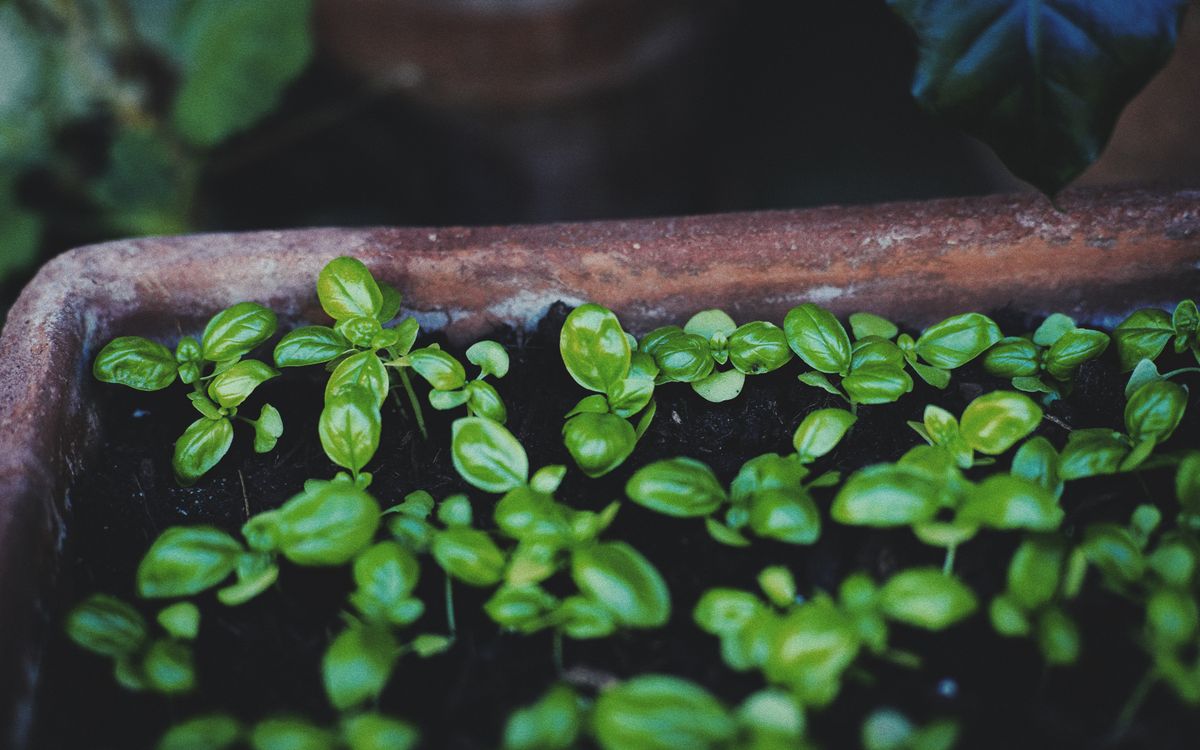
Fill a small, clean pot or cell with damp seed-starting mix. Sow according to the packet at a shallow depth and keep the surface evenly moist. Basil germinates more reliably in steady warmth. A clear cover can slow drying while the seeds germinate, but ventilate as needed and remove it once the seedlings come through. Give the young plants good light immediately. If they lean nearly flat toward the window, increase useful light or rearrange where the pot sits. Spinning a dark pot only changes which direction the stems stretch.
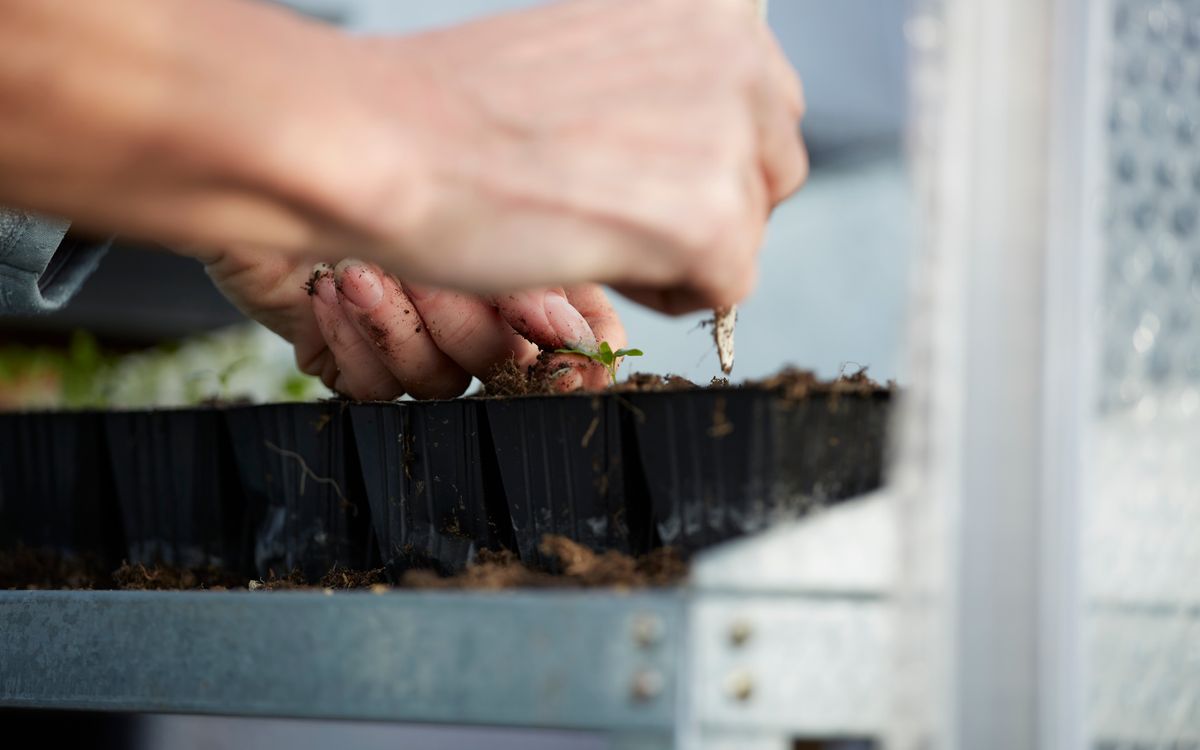
Once true leaves have appeared and you can handle the seedlings safely, transplant strong young plants into small pots of quality container mix. Hold the young plant by a leaf or by its root plug, leaving the stem intact. With several seedlings in one small pot, leave useful space and remove weak extras. Water gently to settle the mix. Wait for new leaves before taking any substantial harvest. A seedling with healthy roots and a compact top can develop quickly when the growing conditions are steady.
Choose a pot you can keep evenly moist
A young plant does well in a manageable pot with drainage, with a larger pot as it becomes established. If the nursery root ball is much smaller than the proposed container, increase by one realistic step. A large volume of cool wet mix can overwhelm small roots. Use a window tray or saucer to catch drips and empty it once the pot has drained. Keep the leaves away from lingering condensation. If the pot ends up in a decorative cover, be able to lift it out and check that water has not accumulated below the hole.
Feel the mix near the root ball and water when the surface has begun drying and the lower zone needs moisture. Water thoroughly and drain the excess. A healthy basil in strong light uses more water as it fills out, while the same plant in a dull spell can remain moist for days. The original nursery root ball may dry differently from the fresh mix around it. Apply water slowly enough to moisten both. Avoid leaving the plant to wilt repeatedly and avoid fertilizing a plant showing stress until you have checked whether light, moisture, or temperature explains it.
Find the growing points before taking the first harvest
Look along a healthy basil stem. Opposite leaves attach in pairs at nodes, and tiny shoots can form in the angles between the leaves and stem. Once the plant is growing well, cut a stem just above a pair of healthy leaves. Those buds can make branches from below your cut. Many gardeners first try plucking individual large leaves and end up with an elongated stem and no lower canopy. Taking a purposeful tip, while leaving a few sets of functioning leaves, gives the plant a more useful shape.
Remove flower buds early if leaf production is your priority. Look at the tops of the most vigorous stems at the same time you take a small kitchen harvest. If the plant is still small, harvest sparingly so it can replace what you have removed. Cut with clean scissors or pinch cleanly, then wash harvested leaves under clean running water as you prepare them. To harvest often, grow two pots and alternate between them. A single plant can supply occasional pinches but may struggle to replace a large bunch every week on winter light.
Work out why a plant has stalled
A stem elongated between new leaves and looking toward one side generally needs more usable light. If a pot sits directly against the glass, check for cold marks after a sharp overnight drop. A drooping plant with mix dry below the surface needs a deliberate watering and time to recover. A drooping plant in very wet mix deserves an inspection of the bottom of the pot and the root ball. Persistently wet roots cannot work as expected, and a covered pot can hide water even if the top looks dry. Changes in leaf color have several causes, so use more than one clue.
Check the youngest leaves for aphids, sticky residue, fine webbing or pale feeding marks. Move an affected plant away from nearby pots before handling it. Use a pest treatment only if its label covers the pest and indoor edible herbs. Also check lower leaves for yellow patches bounded by their veins and gray fuzz underneath. Together those signs suggest basil downy mildew. Discard a plant with confirmed downy mildew and avoid taking cuttings from it. Give healthy pots more air space and keep their leaves dry when watering.
Root a replacement stem while the parent is still vigorous
Select a healthy nonflowering basil tip several inches long. Make a clean cut below a node and remove the lower leaves that would sit in water. Set the bare stem in a clean glass with the top leaves above the surface, and place it in warmth and good bright light without stressing it in strong heat. Refresh the water as needed. When several roots have formed and are long enough to handle, gently move the cutting into moist mix, covering the roots without planting the upper foliage.
A new cutting needs an even supply of moisture while its roots adapt. Keep it in a suitable well-lit position, sheltered from the hottest direct light at first. Treat new growth as the signal to start ordinary care. A cutting taken from an older plant with disease can carry problems, so use only vigorous stems. Start from seed if the old plant may be carrying a pest or disease.
Make a grow light follow the plant
If you add a lamp, put it where the canopy receives an even spread and follow the light's directions for distance and hours. Check the gap again each week during rapid growth. The leaves closest to an intense fixture may become stressed while a separate small plant at the edge still stretches. Give basil a regular dark period and use a timer if that keeps the schedule steady. A compact new pair of leaves is a better measure than how bright the lamp looks from the kitchen door.
Keep a small rotation instead of one permanent plant
Basil is usually grown as an annual. Aging plants will eventually flower and become less productive, especially when indoor light conditions shift. Start the next pot when the existing one has enough foliage to get you through the new plant's establishment. Save your best window spot for the new growth rather than holding onto a bare old stem because that spot once worked. In the darkest part of winter, a proper lamp can make the difference between a useful plant and a very slow one.
A practical windowsill might have one ready-to-cut plant, a young one with its first branch tips, and a clean glass for rooting the occasional cutting. Set the tallest pot where it casts the least shadow over the smallest. Water each separately because small and large pots can behave quite differently. When the routine works, you can take two growing tips for supper without giving up the leaves you want next week.