Plant Care
Choose Potting Mix by the Roots You're Growing
Use the needs of your houseplant, its pot, and your watering habits to choose a potting mix that holds enough water and leaves room for air.
7 min read
Start with what the roots need
The roots of a parlor palm and those of a moth orchid spend their lives in very different places. A blend that keeps a palm evenly supplied can stay too wet around orchid roots that naturally encounter plenty of air. Before choosing anything from the garden center, identify the plant and learn how moist its root zone should stay. For an established plant, another clue is what is already working. Check the original material near the sides of the root ball at the next suitable repotting. Note whether it contains bark chunks, fine dark material, gritty particles, or a combination, and pay attention to how much of it falls away readily.
The condition of the roots gives the material some context. If the plant is making sound new growth and the root ball dries at a workable pace, a similar potting mix may make the transition easier. If the plant has wet roots for days, even in appropriate light, check the drain and the pot size before blaming the blend. A mix designed for ordinary houseplants cannot compensate for a saucer that keeps refilling or an undersized root ball buried in a very large container.
Know what the named ingredients do
Peat and coir can both help hold moisture in a growing mix. Coir comes from coconut husks and can appear as fine material, longer fibers, or larger chips. A fine coir blend can behave quite differently from a fibrous one, so use the particle size to interpret the ingredient list. Bark introduces coarser particles and spaces between them. A fine bark-based mix may still hold considerable water, while a chunky orchid bark mix contains conspicuous gaps between pieces. The proportion and grade matter more than the presence of a single ingredient on the label.
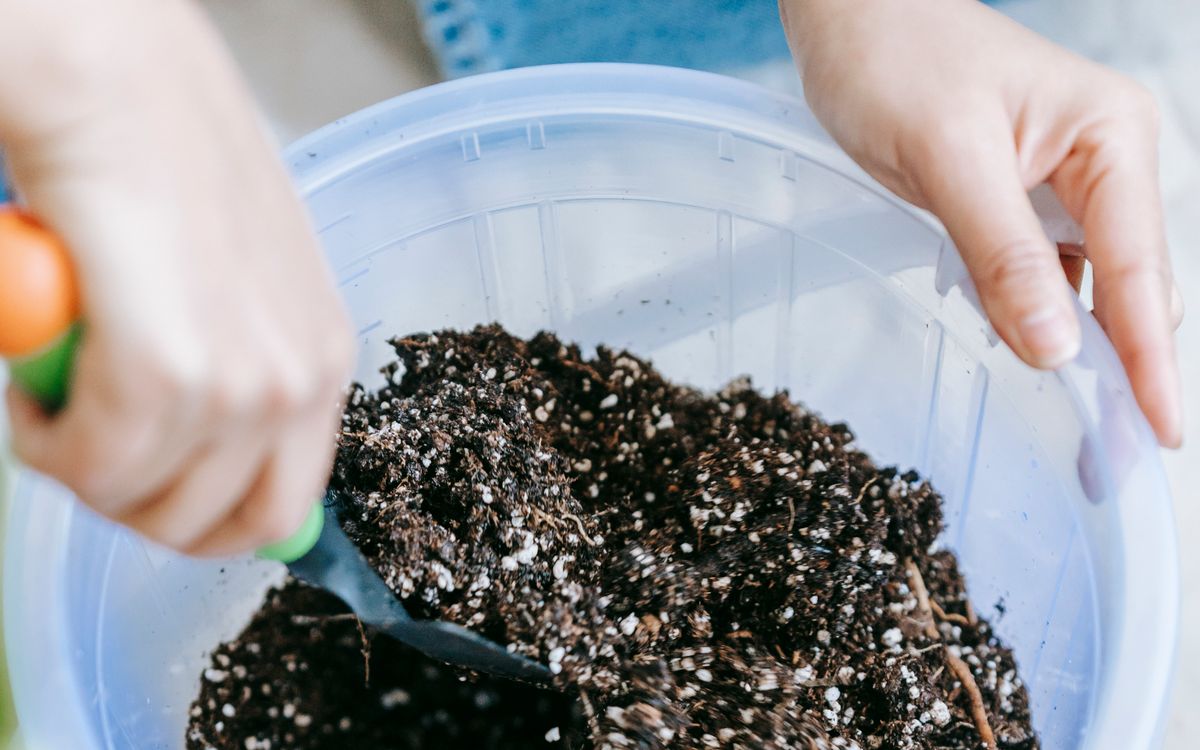
Perlite is a very light expanded mineral often used to increase air space. Pumice is another porous mineral with more weight, useful where a plant benefits from a stable pot. Vermiculite can help hold water and is useful in some seed and propagation blends, where even moisture is helpful. When a bag says it contains a fertilizer charge, note how long the manufacturer expects it to last. Some mixes are made mainly of structural materials and require a separate nutrient plan for established plants. Keep the label or photograph it so you can revisit the directions when the plant begins active growth.
Recognize the ways a blend can fail in a container
Garden soil does useful work in a garden, where roots have a much larger volume through which to spread. In a pot, dense mineral soil can lose air space as it settles. It can also bring in weeds, insects, and disease. A clean commercial container blend is a dependable starting point for most indoor plants. A coarse ingredient can improve aeration only when selected and distributed appropriately. Throwing a few large chunks on top does nothing for the middle of a densely filled pot. Adding fine sand to an already fine blend can make packing worse.
A gravel layer at the bottom is a separate issue. Water can gather in the mix just above the boundary before draining into the gravel. The gravel reduces the actual depth available for roots and does not fix a completely different problem, such as a blocked outlet. Use a pot with a working hole and a blend that performs throughout its depth. Water and drain the container outside a decorative cover pot if there is no way to see or remove the excess underneath.
Find a baseline for a leafy houseplant
For many established tropical foliage plants, choose a well-drained indoor potting mix that holds some moisture, with a balanced particle size that allows it to soften and crumble without staying muddy. If your house is bright and warm, the plant may use a steady supply of water and tolerate a mix that retains more. A similar plant in a cool room may use little water and need more aeration. Choosing a blend and a pot together gives you control. Terracotta loses some water through its sides, while glazed pots and many nursery pots lose it mainly through their openings and the surface.
If you already have a workable general mix and want to adjust it, make a small test batch. Combine a measured scoop of an appropriate coarse amendment with a known amount of the base mix and compare it with a sample of the original. Wet each with the same amount of water in similar test pots, let them drain, and check a few hours later. The sample that feels most like your intended root zone gives you a guide. Write down the proportions if you want to repeat the result. There is little value in adopting a universal recipe before seeing how its particular ingredients perform.
Change the texture for a plant with specialist needs
Most commonly grown desert cacti and many succulents benefit from a blend suited to fast drainage and a dry interval between waterings. Start with a suitable cactus or succulent mix and check how it holds moisture in the actual pot. Some products with this description still have a high proportion of fine ingredients. A suitable coarse mineral amendment may help in a cool environment, while a fine-rooted succulent in a very small porous pot might become harder to keep established in an extremely coarse blend. Find out what type of succulent you have. A forest cactus may need more regular moisture than a desert species.
An epiphytic orchid commonly needs substantial air around its roots and often grows in a medium based on bark or another appropriate material. Use the species and pot design to decide the particle size and how to manage moisture. A fine blend that works for a peace lily can exclude too much air for that orchid. Plants grown in specialized substrates may also require specific water quality or nutrient care. Before buying a product advertised for every plant in your collection, check whether the specialist plants have separate requirements you should meet.
Test the blend with water before putting a plant in it
Open the bag and take a small sample. Dry material made of organic ingredients can repel water initially. Stir in a modest amount of water gradually, or premoisten according to the directions. Fill an empty nursery pot to a normal depth without packing it until it feels solid. Water gently and watch when runoff appears. Afterward, check whether the mix near the center absorbed water or whether it ran around the edges. A handful taken from deeper in the pot should show how the mix holds together.
A kitchen scale can help compare two equal pots if hand-feel is unreliable. Weigh each dry filled pot, water and let it drain, and compare the change. Repeat the comparison the next day. The test is useful only when the containers, location and amount of mix are reasonably similar. A pot with growing leaves and roots will use water at a different pace. Use the empty trial to detect obvious errors, such as a blend that refuses to wet or remains much heavier than expected, then judge the living plant over subsequent waterings.
Consider the seam between old and new mix
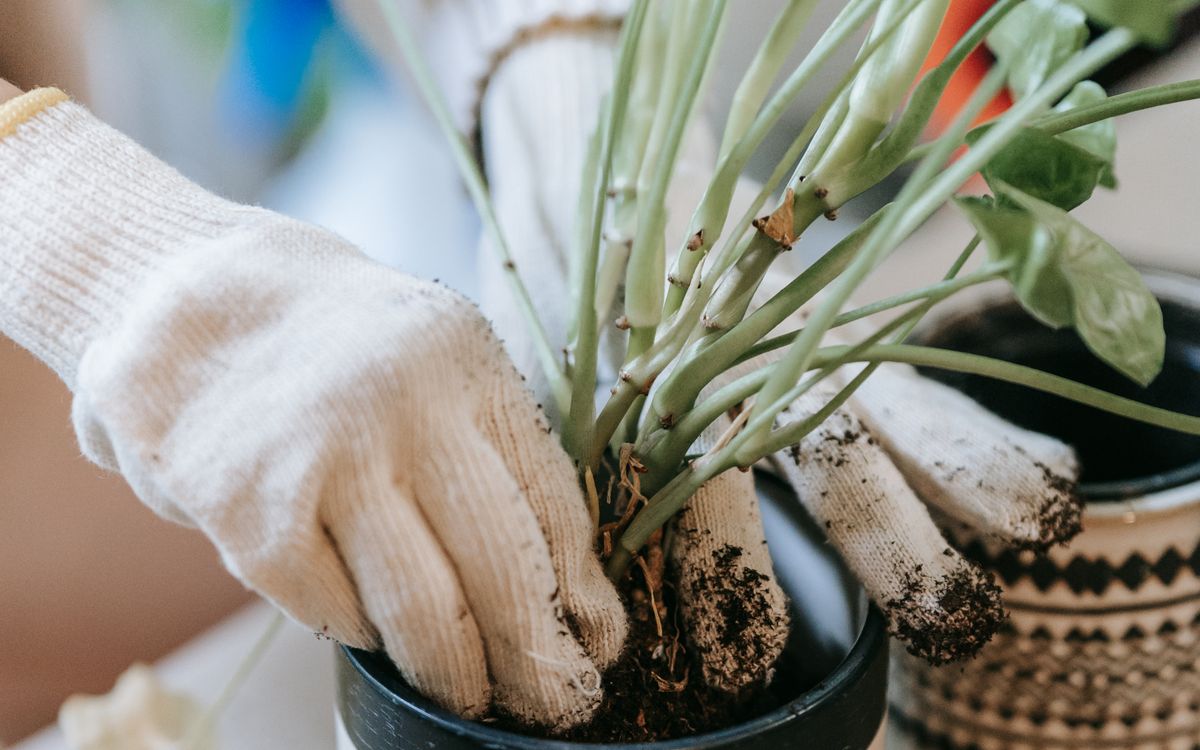
When you move an existing plant into a new container, the old root ball can behave quite differently from the new ring of growing material. Dense old peat can resist water while coarse bark at the edges looks wet. A very fine new blend can hold moisture while a loosely packed core starts to dry. Keep healthy roots intact unless the plant needs more extensive treatment, but loosen tightly circling outer roots gently where appropriate. Moisten dry material as needed before potting and settle the new mix with your fingers to give roots good contact.
For the first few waterings, inspect both areas. If they dry at very different speeds, direct water more carefully to the part that needs it. Let the plant build roots into the new blend before deciding whether the steady-state watering interval has changed. When the root ball still refuses water despite slow thorough watering, review whether the old material is damaged or severely compacted. An adjustment to pot size, pot position, or watering can resolve the problem without pulling apart a healthy plant again.
Keep the bag useful between potting days
Store opened mix closed and dry according to its directions. Keep it off a damp floor and use a clean scoop rather than one that has just handled rotting roots. Use fresh, clean medium for vulnerable cuttings or recently separated plants. Discard material with signs of pests, a sour smell, or questionable storage conditions when it poses a problem for an indoor collection. For plants that have grown well, keep a brief record of which mix you used, container size, and a typical interval between checks.
Repeat a mix when it matches the actual conditions, not just when a familiar label looks convenient. A pot in a warm, bright window may dry much faster after leaves expand in spring. Move gradually from a single trial pot to the rest of the collection and judge new leaf growth and root condition over time. With two or three suitable blends on hand, a collection that looks varied above ground can receive equally well-matched care around its roots.