Plant Care
How to Water Houseplants by Checking the Pot
Learn to recognize dry and saturated potting mix, apply water evenly and adjust the interval as roots, sunlight and indoor temperatures change.
7 min read
Separate your reminder from the decision to water
A reminder is a useful cue to look at a houseplant. It has no way to know whether the plant needs water. Picture two pots the same size. One contains a moisture-loving fern in active growth by a window. The other contains a succulent in coarse mix under a weaker light. They may need your attention on the same morning, but their ideal degrees of dryness can be far apart. Begin with the species and the conditions, then let the root zone settle the question.
Look below the exposed surface. Freshly watered mix often dries first at the top. Push a finger into the upper layer at a place away from the main stem. In a pot large enough to hold several distinct layers, an inexpensive wooden skewer can reach farther down. Insert it gently near the rim, avoiding large roots. Mix stuck to a darkened stick suggests lingering moisture. A dry surface with a damp lower layer is common, especially in a deep plastic container during a cool month.
Lift a small or medium pot. Compare how it feels after watering and draining with how it feels immediately before the next successful watering. The difference can be easier to detect than subtle changes in mix color, especially when the blend contains bark. A clay pot is heavier to start with, so learn two weights for each plant instead of comparing unrelated pots. For a large floor specimen, a slight, supported tilt can give enough information without lifting the whole container.
Match the dryness to the kind of plant
Plants with thin, actively growing foliage and modest reservoirs of water often do best when their mix remains gently moist. This is typical for a number of tropical understory plants, although the amount they use depends on their position. Watering when the upper layer is beginning to dry can spare a thirsty plant a severe wilt. In a nursery pot at a bright window this may happen within a few days. In a glazed pot further inside the room, the same plant may take much longer.
Plants with substantial water storage can frequently dry much farther between soakings. Snake plants, ZZ plants and many cacti belong in this group, though flowering tropical cacti use different conditions from desert species. A ready-to-water succulent pot will often feel appreciably lighter and dry farther below the rim. Soft-looking tissue in a pot that has stayed damp is a warning to assess the roots rather than an invitation to add water.
Epiphytes such as many commonly sold moth orchids add a further distinction. They may grow in chunky bark with relatively large air spaces. Dampness at the bottom, the texture of the bark and the color and firmness of visible roots can be useful together. A silver-looking exposed root may signal that its surface is dry, while a green root deep in the pot may be wet. Manufacturers sell orchids in both bark and moisture-retentive moss. Check which medium you have before using instructions intended for the other one.
Wet the whole root ball
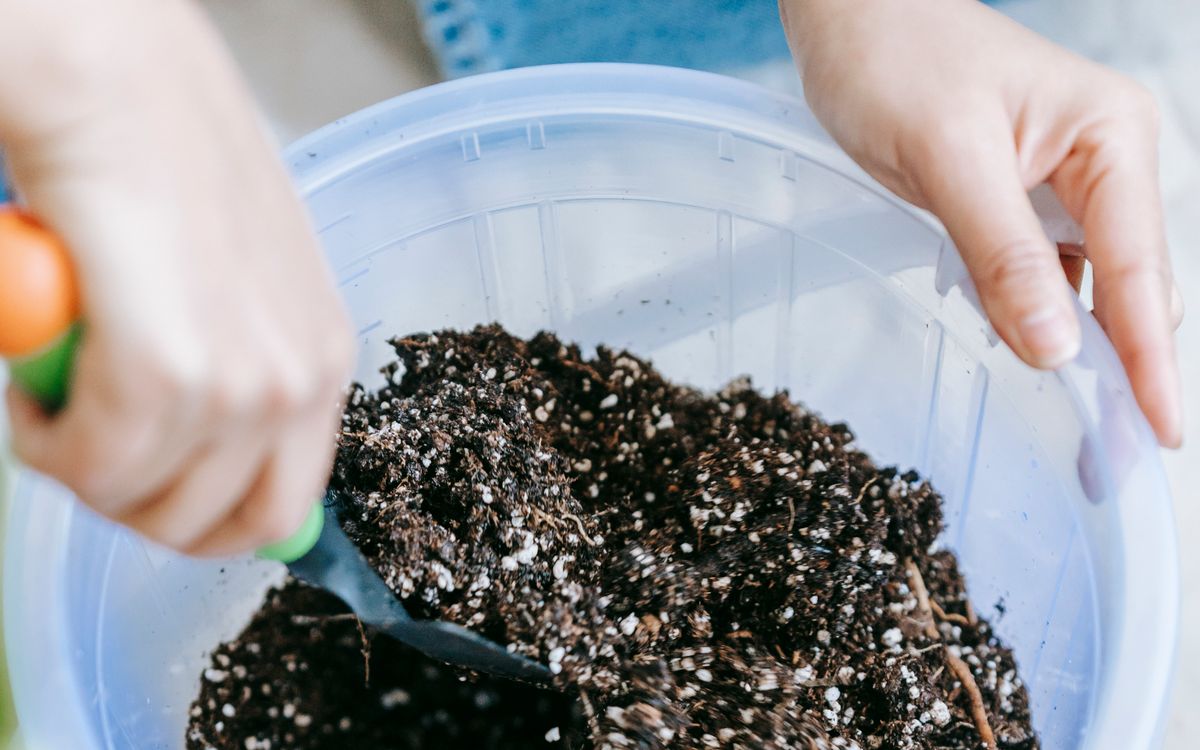
Bring a manageable pot to the sink. Use room-temperature water and pour at a pace the surface can absorb. Travel around the pot so the center and sides get a share. Continue until excess exits the drainage openings. Allow the pot to drain before returning it to a saucer or outer pot. If watered in place, empty standing water soon after. Pots without an outlet work best as covers around removable containers.
If water rushes out immediately, ask whether the mix has pulled away from the sides or contains a hard dry spot. A first pass can soften the surface. Wait several minutes, then try a second slower pass and lift the pot again. If it has gained little weight, set it in shallow water for a short soak, watching for moisture to move upward through the mix. Remove it and drain thoroughly as soon as the medium is sufficiently wet. An overnight bath keeps small roots submerged long after the task should be finished.
Bottom watering can be convenient where a low crown is vulnerable to wetting or a light top layer keeps floating. Use separate shallow vessels if a plant may have a pest or root disease, because water shared between pots can carry problems. The upper region may remain dry even after the pot has absorbed enough, so check weight. For otherwise healthy plants with good drainage, occasional top watering can help move accumulated salts out of the root zone.
Diagnose wilting, crispy edges and standing water
A thirsty plant tends to have a comparatively light pot and roots in dry mix. It may regain some leaf turgor within several hours of a thorough watering, depending on how dry it was. Roots that stayed damaged or dry for too long may take longer to recover. Check whether the root ball is actually moist before treating the same droop again. If the pot was already heavy and the base smells damp or sour, a problem with the roots becomes more likely.
An outer pot can hide runoff for days. Look before assuming a plant dried since the previous week. In a smaller arrangement, lift each inner pot and see where its base sits relative to the pooled water. For a large pot, position it on a sturdy stand above an accessible saucer and use a siphon or a sponge to clear liquid if you cannot lift it. Choose an arrangement you can manage on an ordinary busy day.
Older leaves dry and yellow for reasons unrelated to watering. Damage on just the side facing a new window may be exposure. Brown tips shared across many leaves can reflect mineral buildup, uneven care or dry air. Use several clues before changing the schedule. White residue on the rim is worth checking, and a low-mineral water supply may be suitable for sensitive plants. Carbon filters vary and should not be assumed to remove dissolved minerals or the sodium introduced by softening. If the species is sensitive, distilled water, reverse-osmosis water or clean rainwater can offer a useful comparison.
Anticipate the times when watering changes
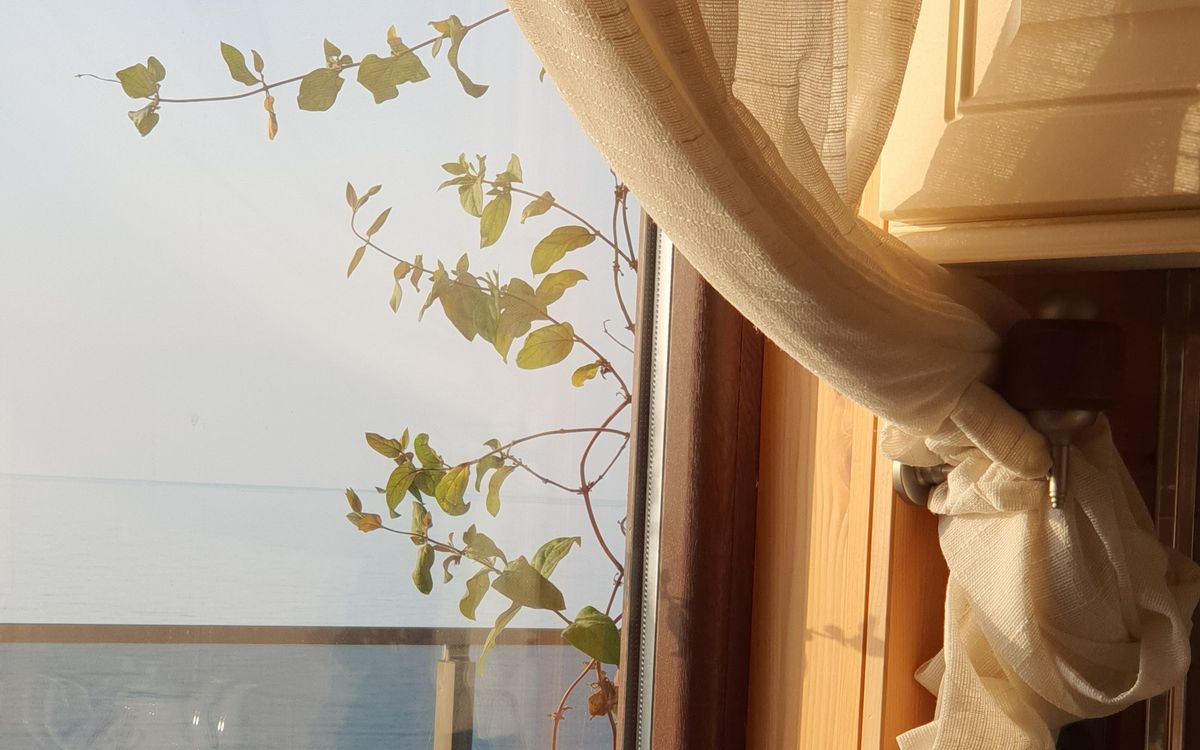
A plant often uses less water when growth slows in low winter light. The relation can reverse beside a hot heater or in a house that stays bright year round. When you change the position of a plant, make a few closer checks regardless of what month it is. First look at the leaf position relative to the glass and to direct airflow. Then check how quickly the center of the pot becomes ready after its next watering. Stability becomes easier to recognize after several comparable cycles.
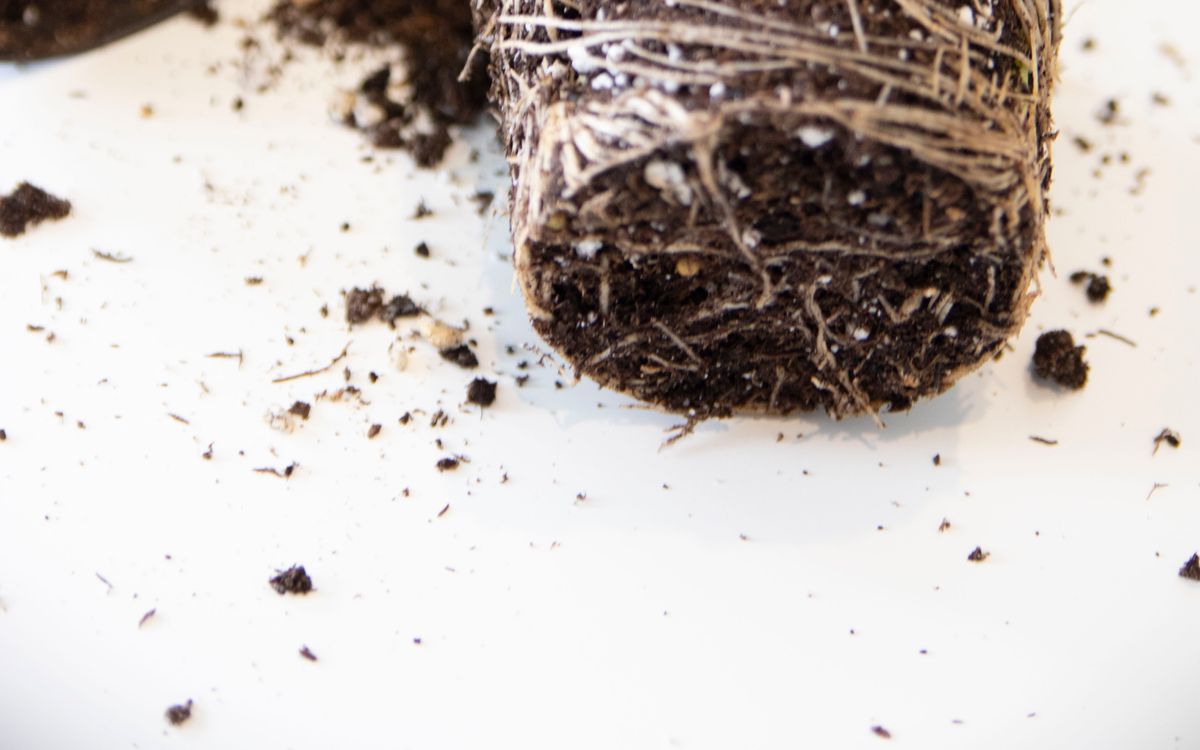
Repotting also changes the drying pattern. A pot with a modest ring of fresh mix may hold water a little longer even if the old root ball has not changed. A divided plant has fewer leaves and smaller roots to use the water. Many nursery plants have a tight plug at the center, surrounded by a looser mix in the retail pot. The plug and the outer mix can reach different moisture levels at the same time. Water deliberately around the two zones until you know how the whole pot behaves.
For a holiday, water the plants that are ready just before you leave and move vulnerable ones out of strong direct sun into good diffuse light. Avoid setting every pot in a full tray of water as a precaution. Test any wick or self-watering system in advance, when you can see whether it keeps the mix too wet. Ask a helper to check a small list of particularly thirsty pots and provide a clear description of how ready mix feels.
Build a short routine you can remember
Walk through the plants with empty hands first. Lift pots and inspect their lower leaves for signs of stress while deciding which need water. Carry the ones that are ready to the sink and set them aside until they finish draining. Return the containers with heavy covers last so you can check that each cover started dry. A rough note about a pot that takes much longer than its neighbors can save guesswork a week later.
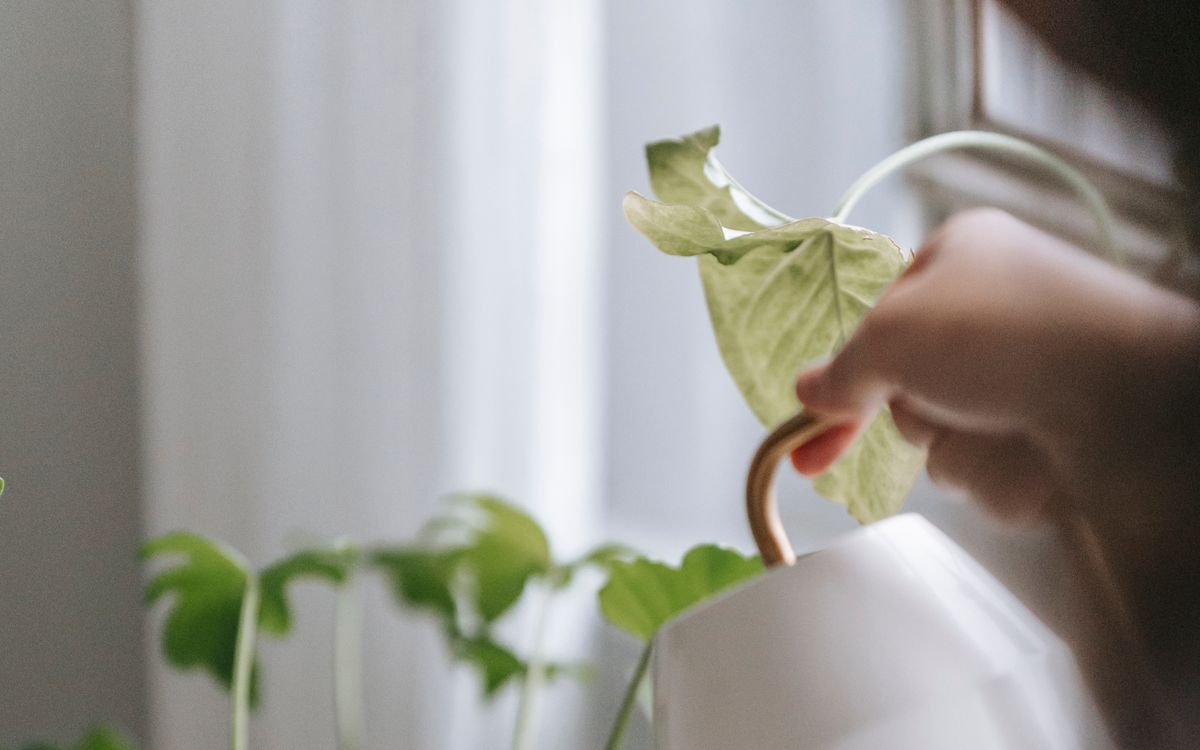
If water often reaches the shelf or floor, revise the setup. A broader saucer, enclosed tray or larger space between pot and cover can make drainage easier. A watering can with a slim spout fits beneath low foliage and lets you spread water without pounding the surface. For a shelf you cannot comfortably reach, move the plant below eye level before it grows harder to lift.
Keep one exception in mind while building the pattern. A plant newly arrived in a tiny container, unusually dry mix or seasonal bloom may be using water at a different pace from the rest. Check it separately until several cycles become familiar. Spending that brief time looking at the root zone helps you water when each plant needs it.
If the collection includes several identical-looking nursery pots, put a small mark on those that take longer to dry. Someone watering in your absence can then check a named pot rather than relying on its material or color. Show them what damp mix feels like before you leave so the same observations can guide both of you.