Propagation
Which Houseplants Grow From Leaf Cuttings?
Use the shape of the plant to pick a propagation method, then root an African violet, a begonia or a snake plant correctly.
7 min read
First find out whether a leaf can make a shoot
A fresh leaf can survive for weeks on the strength of the water and carbohydrates it already contains. Some leaves also produce roots. For propagation to work, the leaf or leaf fragment has to form a new point of growth as well. That is why the same technique can make a tray of African violet plantlets and leave a pothos leaf sitting unchanged in a pot.
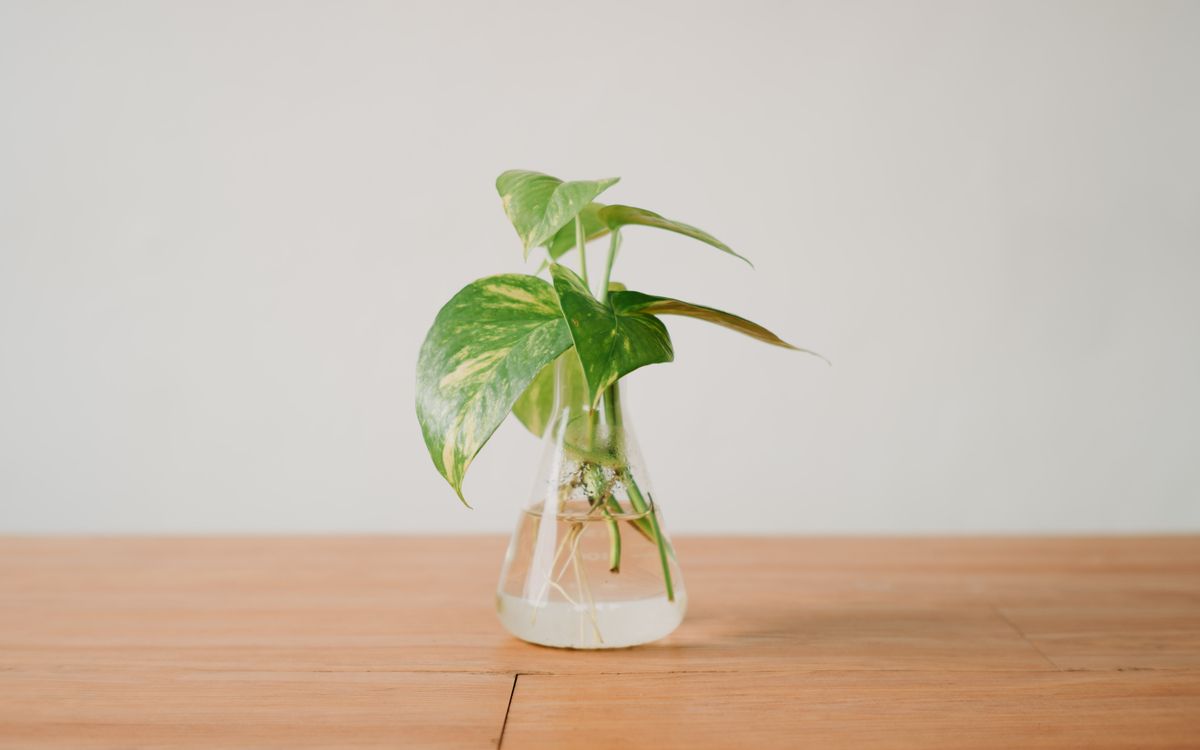
Find the place where the leaf comes from. On a vine, a node is part of the stem at the leaf junction. A single propagating piece from a vine often needs that node and a bud. African violets, certain begonias and snake plants can produce new shoots from appropriate leaf tissue. Other species usually need stem, crown or root material. The distinction is worth settling before you sacrifice a particularly good leaf.
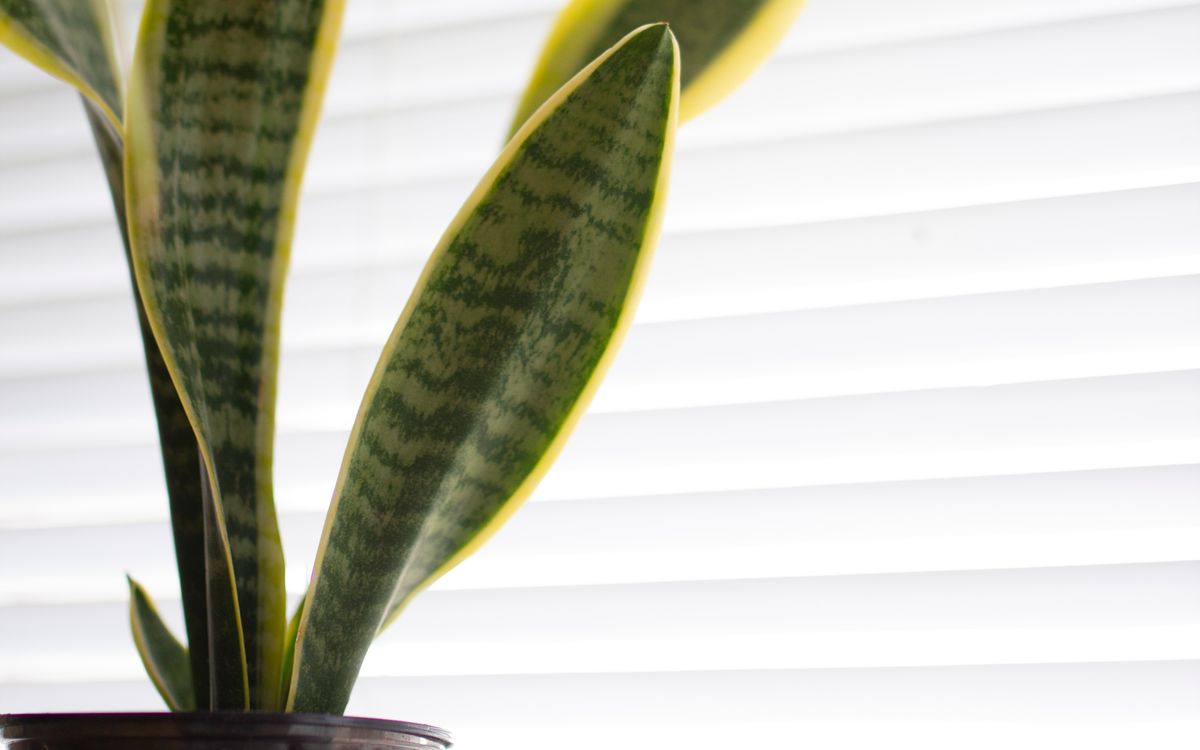
The choice is also about the variety you want to keep. Snake plants with pronounced yellow margins often produce green offspring when propagated from leaf sections. A division carrying the plant’s existing growing point is a better way to preserve that marginal pattern. A violet with a patterned bloom can also vary depending on how its coloration is inherited. If the exact pattern matters, check the variety’s propagation guidance before choosing your method.
Lay out a clean workspace
Set out clean scissors or a sharp blade, small draining containers, labels and a rooting medium. Many home growers use a light, soilless mix designed for propagation. Dampen it before filling the pots. Dry pockets are difficult to wet uniformly around a small cutting, and a thick muddy slurry offers very little air around fresh cut surfaces.
Place the pots somewhere bright with gentle light, where the plants will avoid extremes of temperature. A clear cover can reduce moisture loss around a delicate cutting. Keep it high enough that the leaf never stays pressed against wet plastic. Open it periodically and remove decaying pieces promptly. A tray under a sealed cover and in strong sun can heat up quickly.
Choose healthy, mature foliage without spots, active pests or an unusually limp base. With an African violet this often means taking a firm leaf from the middle rows. Very young foliage is precious to the parent plant and thin leaves from its oldest row may have little vigor left. With begonia, choose a blade whose principal veins are clear and intact.
Start an African violet with the leaf stalk attached
Work from the outside far enough that you can reach the leaf stalk without bruising neighboring foliage. Cut or remove one healthy leaf and retain a short length of stalk. Set the stalk into damp medium at an angle, placing the blade above the surface. A slanted position gives the blade support without burying its edge and makes room for small emerging leaves near the base.
Label the pot with variety and date. Keep the mix faintly damp and the leaf out of hot sun. Checking every day by lifting the leaf is more disturbance than it needs. The condition of the existing leaf and the moisture at the pot edge are better early clues. A firm leaf that seems unchanged may already be starting roots below the surface.
Look for tiny new leaves at the base of the planted stalk. Several plantlets can appear close together, small enough at first to resemble one crowded crown. Wait until the young plants have several leaves and enough substance to handle before separating them. Slide the whole group out and tease it apart by its root mass. Each plantlet should keep a crown and some roots. Put the small plants in individual pots and give them time to settle before trying to encourage flowering.
Use the veins of a suitable begonia
Rex and other suitable rhizomatous begonias can be propagated with pieces of leaf that contain major veins. With a whole leaf, one technique is to make a few small cuts across main veins on its underside, then lay that side onto moist medium. Use clean pins or similar supports to maintain contact near the cuts without burying the blade in wet mix. A flat leaf will need fewer supports than one with a strongly curled margin.
Leaf wedges save space if you have a large blade. Cut each wedge so that a substantial vein runs through it, then set the correct end of the vein in close contact with the medium. Keep track of the cut orientation and write separate labels if you have multiple begonia varieties on the same bench. A single crowded tray is hard to handle when leaf edges overlap and condensation runs from one piece to another.
Watch the injured vein for the appearance of small leaves. Brown tissue around a cut does not always spread. Check whether the damaged area is increasing and whether it has a mushy texture. Remove a collapsing section before it touches surrounding pieces. If the other wedges remain firm, adjust excessive moisture and leave them where they are rather than restarting the whole tray.
Mark the bottom of a snake plant segment
Snake plant leaves can be cut into several upright sections for rooting. Put a long leaf flat on a clean surface and mark the end facing the roots of the parent plant. Make a note of the orientation for every piece as you cut. A simple pencil mark on a pot label beside each segment is enough if you lay all the pieces in one direction.
Some growers let the cut ends dry briefly before insertion so the wet surface has time to seal. Plant the basal end shallowly in an airy, appropriately damp medium and make sure the piece stands on its own or against a loose support. Let the mix approach dryness before applying more water. A humidity enclosure that holds water on the cut end makes this fleshy leaf especially vulnerable to rot.
A firm snake plant section can take months to put up a new shoot, particularly when conditions are cool. Movement at its base when you accidentally brush the leaf can reveal that roots are present, but pulling repeatedly can undo that work. If new growth eventually has green edges where the parent had yellow ones, it reflects the behavior of that propagation method. The result can still be a vigorous plant.
Keep fleshy rosette leaves out of a humidity dome
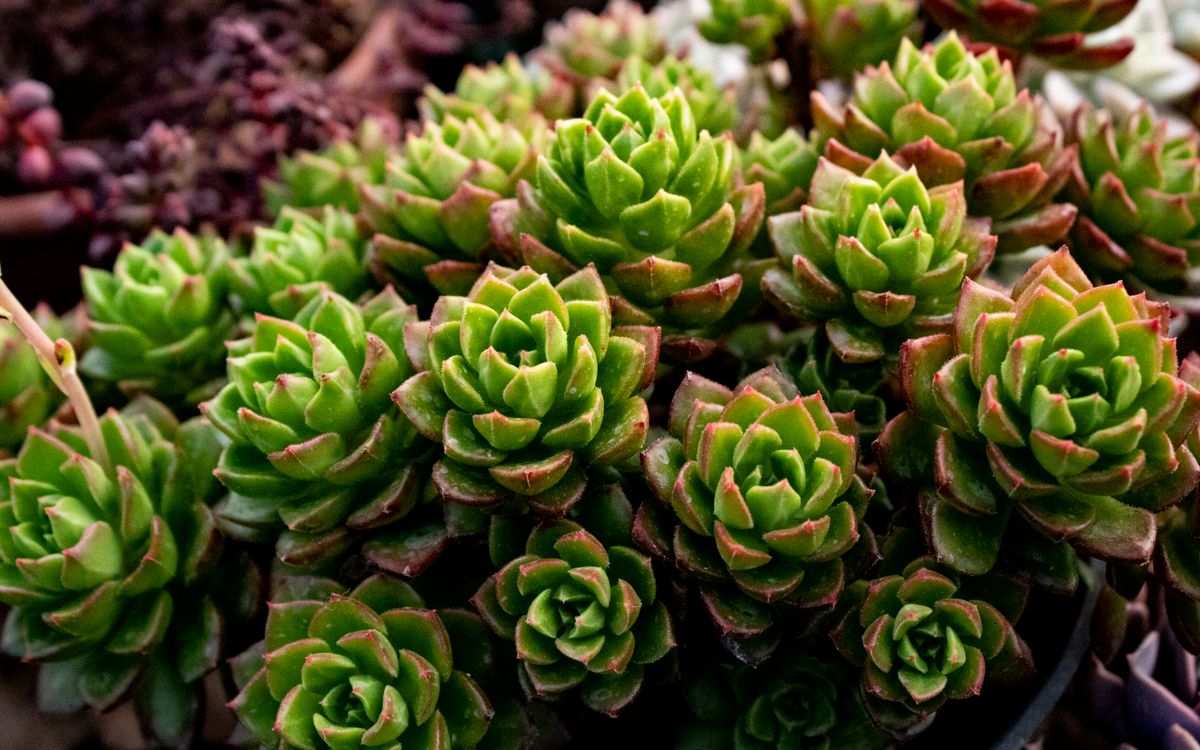
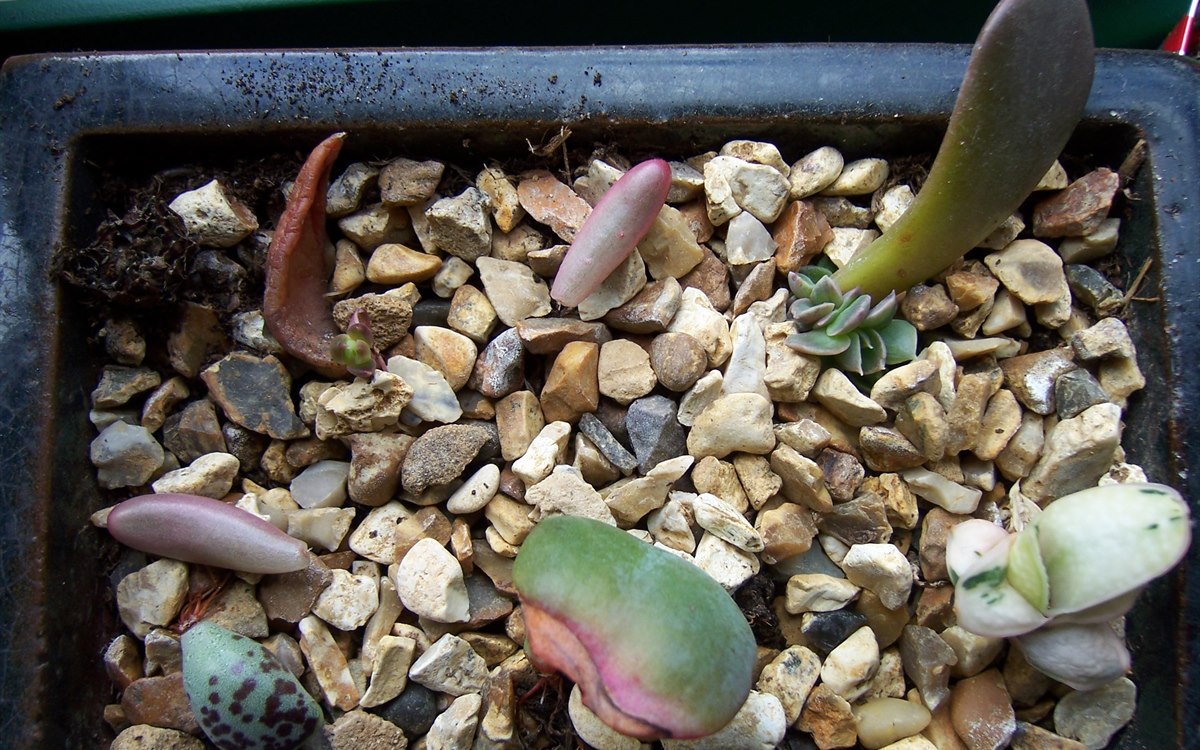
Some echeverias and similar succulents can grow a pup from a complete leaf. Remove a firm leaf cleanly at its base so no part of the attachment remains on the parent. Allow the wound to dry, then rest it on a suitable loose medium in bright filtered light. When a pup appears, let the old leaf continue feeding it until that leaf dries naturally. Different rosette plants vary in their ability to reproduce this way, so choose a species known to respond.
Judge the first leaves in context
Tender new leaves can emerge pale and harden into a darker color. Look at the direction of change across a few days. If the new leaves expand and hold themselves up, continue with stable light and moisture. A thin stalk at the old leaf that darkens all the way into the young shoot is more concerning. Remove that plantlet if it is collapsing and clean the surface where it sat.
Some parent leaves dry after plantlets have a root system of their own. Expect the old tissue to age, and look first at what the plantlets are doing. If the old leaf has begun to decay where it touches the mix, trim loose tissue away carefully. In a crowded group, separating the strongest plant too early can take tiny neighbors with it. Wait until you can see where individual growing centers begin.
For a cutting under a clear cover, give the new plantlets time to adjust to open room air. Increase ventilation over several days, especially in a dry heated room. If young leaves curl very quickly after the cover comes off, restore partial protection and try a smaller increase in ventilation. Avoid compensating by soaking the rooting medium.
Know when a different method is faster
If your plant already has a daughter crown with its own roots, division may deliver an established piece in one afternoon. This is especially useful when the perpetuation of leaf color or pattern matters. A trailing plant with many visible nodes may give you several workable stem cuttings without costing a mature parent leaf. The scarcity of good leaves is itself a reason to choose a different route.
Compare the time a plant can spend under cover with the time you have to check it. African violet leaves can be manageable in a group if each pot is visible and labeled. A begonia tray asks for attention to ventilation and spreading rot. Snake plant cuttings largely ask for restraint and warmth. Three small experiments in three suitable setups teach more than trying every leaf in the same glass of water.
Keep a note about which tissue produced each new plant. If a clear pattern emerges, repeat the successful method when the parent is growing actively. A well-labeled leaf cutting takes up little space and later makes it much easier to distinguish a successful propagation from a leaf that merely survived.
Include a note about whether plantlets arose beside a stalk, a central vein or a buried edge. That detail can help you position the next leaf more accurately.