Edible Gardens
Keep a Potted Rosemary Productive for Years
Grow an evergreen rosemary in a pot that drains freely, take useful kitchen cuttings, and give its roots the right protection when the season turns.
7 min read
Choose a place where rosemary can stay firm and dense
Rosemary's narrow leaves and woody stems come from a way of growing suited to strong light and free-draining roots. Give a potted plant several hours of direct sun if its climate and position allow. Check where that light falls in winter as well as in summer. A rooftop that shines all summer can be dark by the time the sun reaches a lower angle. An evergreen plant still needs suitable light when its growth slows. A site with some air movement helps foliage dry, while an exposed wind tunnel can pull moisture from it too quickly.
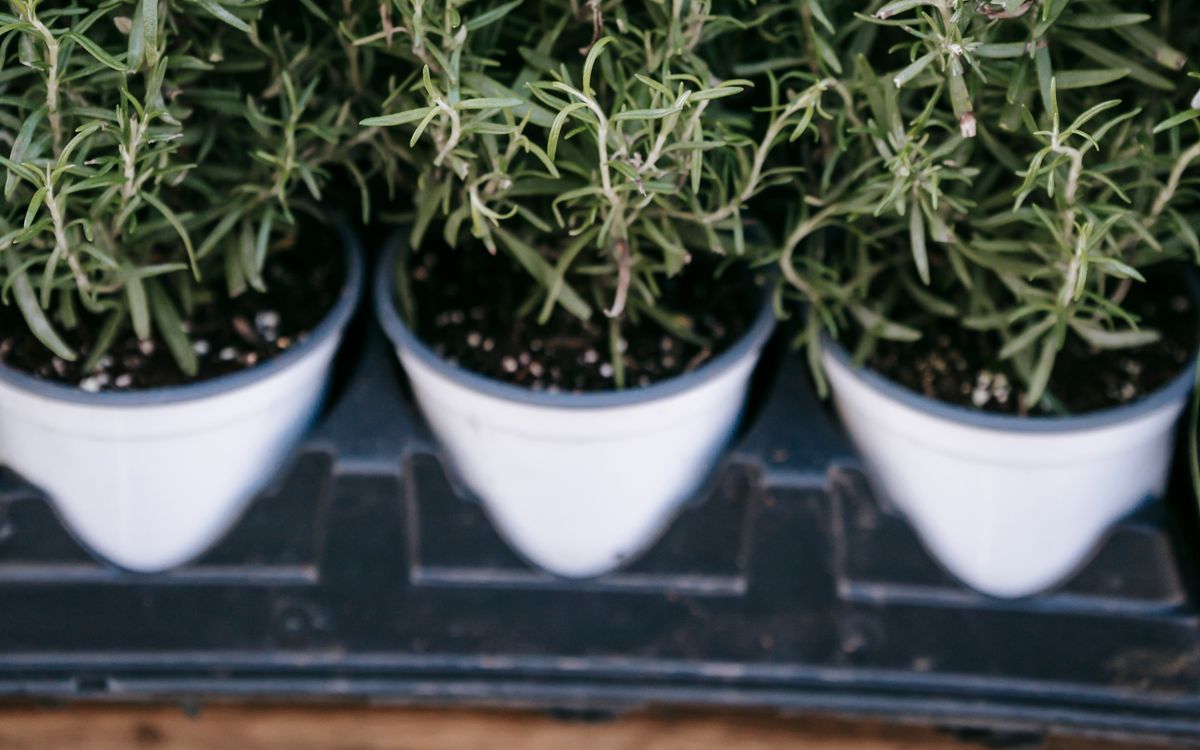
Rosemary comes in upright, spreading, and prostrate forms. Upright types fit many kitchen pots, with enough width for the eventual canopy. A prostrate type is useful where you want the stems to cover a pot's edge, provided they do not interfere with a walkway. Cold tolerance differs by cultivar. Ask how well the specific plant has survived in your part of the world and remember that potted roots cool faster than those in the ground. Buy one with active tips and a firm stem base, and look underneath its leaves before bringing it into a collection.
Match the pot to the stage of the plant
A small nursery rosemary can become a woody shrub over the years, but its initial pot should match the root system it has now. Choose a modest increase in width and check that the base drains. A decorative cover is fine if you will lift out the planted container and drain it separately. In mild weather, unglazed clay can help the mix dry. In very hot conditions, a porous pot may need regular checking. Light plastic can keep a pot moveable, though it should be weighted by an appropriate container design and secured where wind could be a concern.
Choose a well-draining container medium and, where useful, increase air space with a coarse horticultural amendment such as pumice or grit distributed through the mix. Check the drainage characteristics before filling a valuable ornamental pot. Level the root ball with the new surface and leave the main stem at its previous depth. A dry nursery root ball may need wetting before it absorbs water reliably. Slip the plant out gently, release a few tightly circling roots if needed, and firm the new mix around the sides. Water to settle it and empty any runoff caught below.
Allow some drying without letting the whole pot go dusty
Rosemary is sensitive to waterlogged roots. Many established plants appreciate a period of drying between thorough waterings, yet drought tolerance is relative to the size of the root system and conditions. A tiny plant growing actively in a small pot can need water long before an older plant in a broad container. Feel the mix below the surface beside the root ball and compare a small pot’s weight when damp and when it needs watering. Let the plant’s use of moisture set the interval. After watering, verify that excess escaped.
A rosemary that wilts in wet mix may be struggling with its roots. Look for a blocked drain, a hidden reservoir in a saucer, or a crown that has been buried. If the mix is dry around the original root ball, take enough time to rewet it. Water streaming down the side often fails to reach that center. Apply part of the water slowly, pause, then finish with another pass. Check the mix next to the root ball an hour later. A plant may need several days to show whether correcting the moisture helped, but the pot should already behave differently.
Harvest the tips you intend to regrow
Cut young tender stems from several parts of the plant rather than clearing one side. Find a point just above healthy leafy growth so a branch can continue from below the cut. Fresh tips have a more flexible texture than old woody stems and are usually better suited to kitchen use. Take only what an actively growing plant can replace. If the same handful of stems is repeatedly cut from the same exposed corner, give that corner a rest and harvest from another side once growth allows it.
After flowering or in the appropriate growing period for your climate, lightly shape the shrub through living green growth. Rosemary commonly makes poor new growth from older bare wood. Before shortening an awkward stem, check whether sound leaves and side shoots will remain. A little cutting at the right point often preserves a branching outline and lets light reach the inside. Severe clipping into a bare woody core may leave a permanent gap. If the plant has become large and unbalanced, consider rooting young tips before reducing its size, so you can keep the same cultivar.
Find out why lower leaves are changing
Needles low on a well-growing woody stem can age and drop. When many stems change at once or the crown softens, look at root conditions first. Brown tips alone can mean several things, including water stress, salt accumulation, or cold. If the pot became heavy and slow to dry after a move to the shade, increase appropriate light and check the drainage. If the root zone has turned bone dry multiple times, restore normal watering carefully before changing fertilizer. Time the observations so you can distinguish an old brown leaf from a new discolored tip.
Scan for insect activity and pale patches as you harvest. Indoors, low light, dry air and weak air movement can make problems more apparent. Look for fine webbing and pale stippling where spider mites are suspected and inspect shoot joints for other insects. Isolate an affected plant and choose any treatment with edible herb use in mind. In a dense outdoor pot, trim clearly dead material and leave space for air. Feed sparingly and according to the product instructions, mainly if a healthy plant is actively growing in mix that is no longer supplying enough nutrients.
Keep spare roots from a plant you like
Take several healthy nonflowering tips during a suitable part of the growing season. Use a clean knife or pruners and remove the lower leaves that would be below the surface. Set the bare bases in a free-draining propagation mix and firm gently. Keep them in bright indirect light and protect them from excessive drying while they lack roots. Any humidity cover should be ventilated so foliage does not remain constantly wet. A spare cutting is useful insurance, so start more than one where your space allows rather than counting on the first tip.
Do not keep tugging to check for roots. Look for sustained new growth and allow the cuttings time to establish. When they can be handled safely, pot them separately into a mix suited to rosemary and water gently. Give the new plants more direct light in stages. Label them if the parent is a named variety or if you want to compare its hardiness with another rosemary. Keeping one young plant in reserve can make it easier to replace a declining shrub without losing a cultivar that has done well for you.
Give winter its own practical location
In a mild climate rosemary may remain outdoors in a sunny sheltered position with excellent drainage. A pot beneath an overhang can receive light while escaping some winter rain. Where freezes last, check the hardiness of the cultivar and move the plant to a protected space as needed. A cool, bright spot can be preferable to a warm room with little usable winter light. Check its actual night temperature, and keep foliage clear of cold glass if the only shelter is inside. Examine the plant for pests before it joins indoor plants.
Water demand falls as growth slows. Feel the mix rather than copying your summer routine. Good drainage remains important even when waterings are far apart. Do not leave the pot outdoors in a cover filled with rain, and protect the material of the pot if it cannot tolerate freezes. Watch container edges for water that has been shut in by displaced insulation. When winter ends, gradually return an indoor plant to brighter outdoor conditions. Strong morning sun after months behind glass can be a large change even for a plant that spent the previous summer outside.
Brush past it without brushing it off
Give a rosemary near a busy door enough room that a bag or coat will not catch the same branches day after day. Repeated bending can split older stems low in the plant, where little leafy growth remains to replace them. Move the pot outward only as far as the roots can still be reached for a thorough watering.
Reassess the same plant each year
Lift a manageable nursery pot during the growing season if you suspect the roots have filled the container. A nearly solid root mat, poor uptake, or a pot that constantly tips can indicate a need for a larger stable container. Increase size gradually. If the roots remain healthy and the plant is still growing well, topping up a little surface mix and tending the existing pot may do enough. Leave the crown clear and keep the outlet accessible for the next inspection.
A rosemary that gives several good tip harvests, dries predictably after watering, and keeps green shoots near the ends has found a workable balance. Hold on to those conditions even if another position looks prettier. In several years, a new plant grown from your own cuttings may do better in the original pot than an old shrub forced into a smaller shape. Decide from the health of its branches and roots and the room the container still has to offer.